fashion forecasting
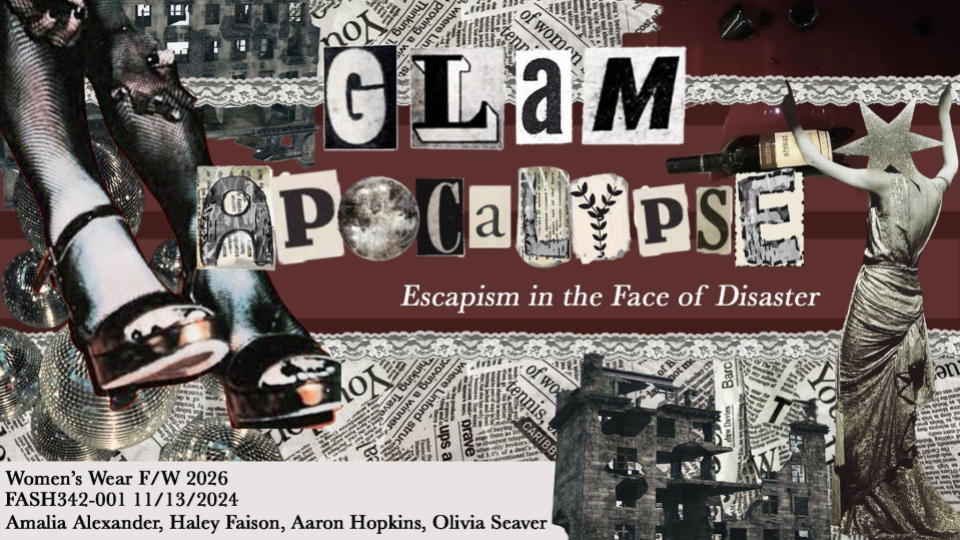
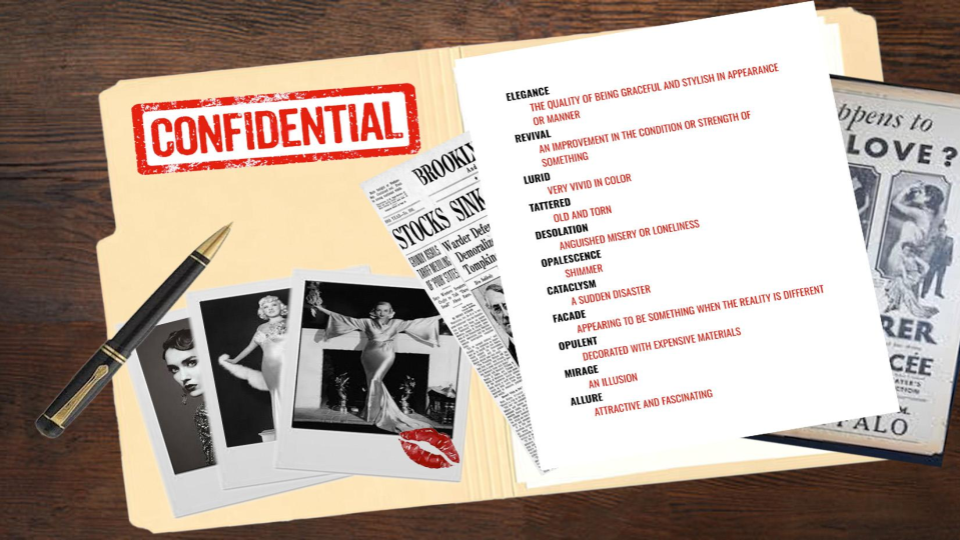
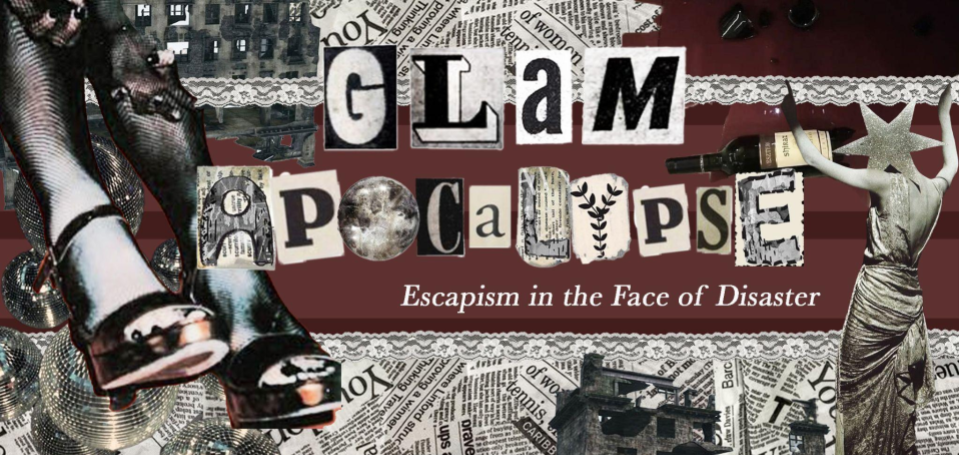
This project challenged me to build a full fashion forecast for F/W 2026, including the creation of an original macro trend concept, mood and color boards, consumer analysis, textile research, and key item predictions. My group and I developed the trend “Glam Apocalypse: Escapism in the Face of Disaster,” a forecast rooted in the tension between glamour and collapse, inspired by historical cycles, Old Hollywood decadence, and current social unrest.
my team
Glam Apocalypse was a collaborative group project created with Amalia Alexander, Haley Faison, Aaron Hopkins, and myself. Our team worked together to build a fully developed forecasting narrative, combining our individual strengths in research, storytelling, aesthetics, and trend interpretation.
Each member contributed a different lens:
Historical and cultural research,
Visual direction and collage building,
Textile and material analysis,
Color forecasting,
Market and consumer insight,
Runway and street-style data gathering.
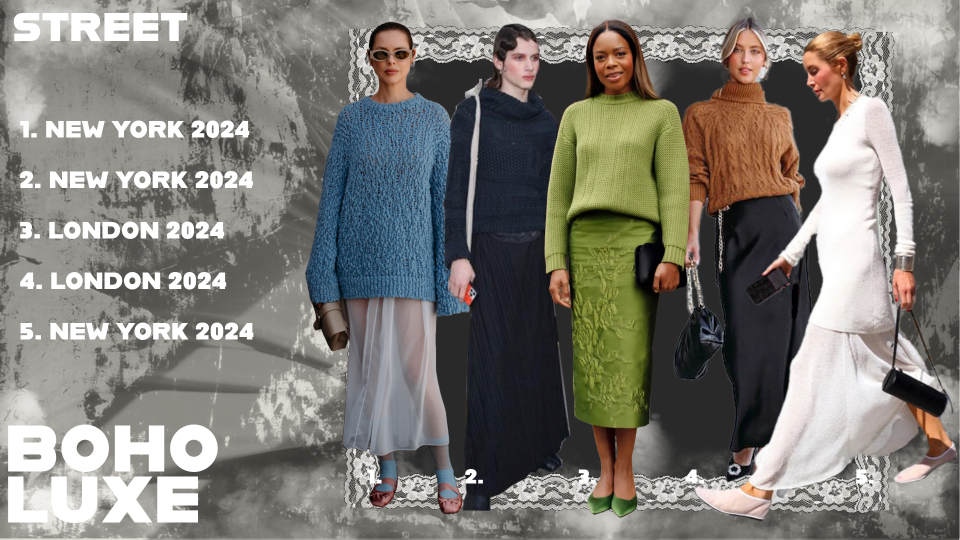
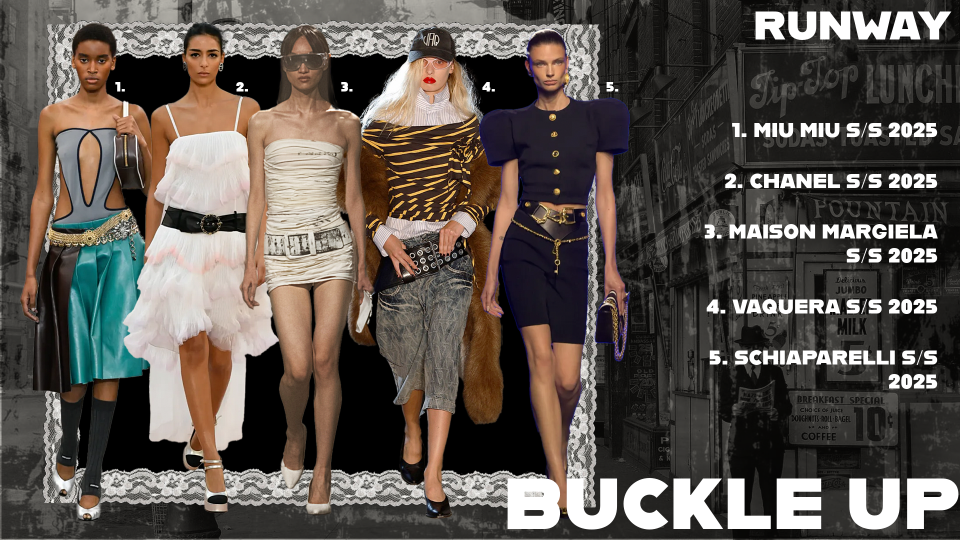
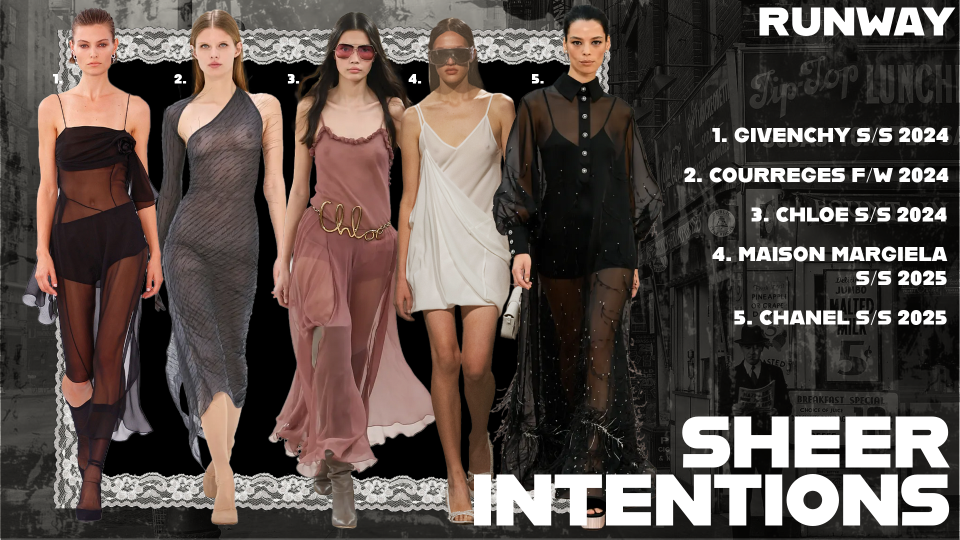
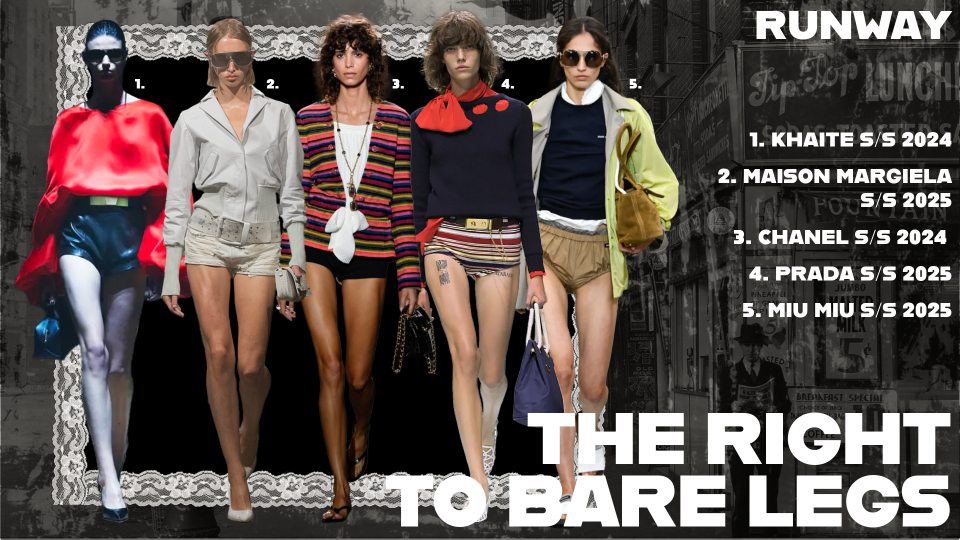
I personally played a major role in choosing the textiles, working on color development, selecting street style and runway looks, and graphic design to develop our concept further. Our group dynamic was highly collaborative and we built the concept in layers, continuously refining the narrative until every slide felt cohesive.
skills demonstrated
-
Interpreting cultural, political, environmental, and historical signals to build a long-term macro trend.
-
Creating mood-driven persona boards.
Identifying emotional drivers such as escapism, illusion, and nostalgia.
-
Developing a cohesive 2026 color palette from research themes.
-
Compiling fabric, innovation, and trim forecasts.
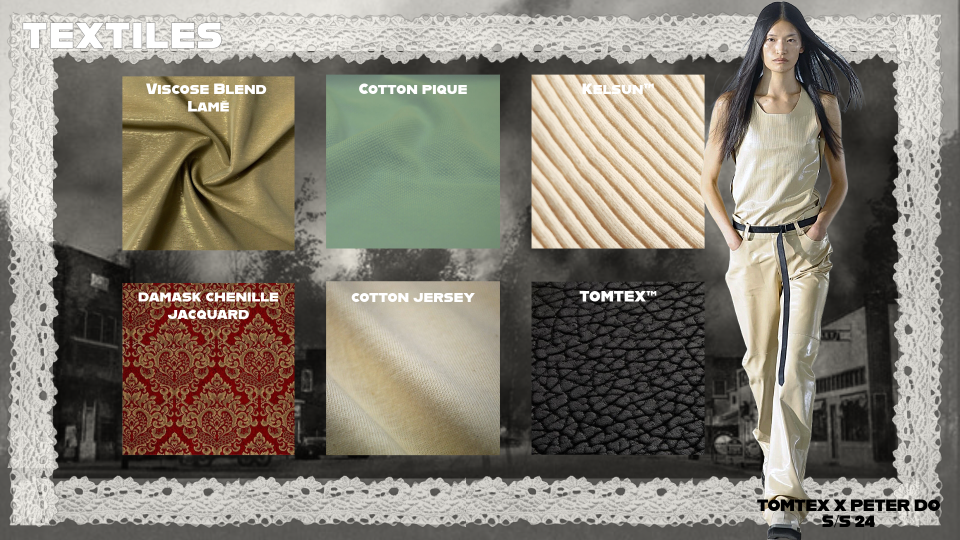
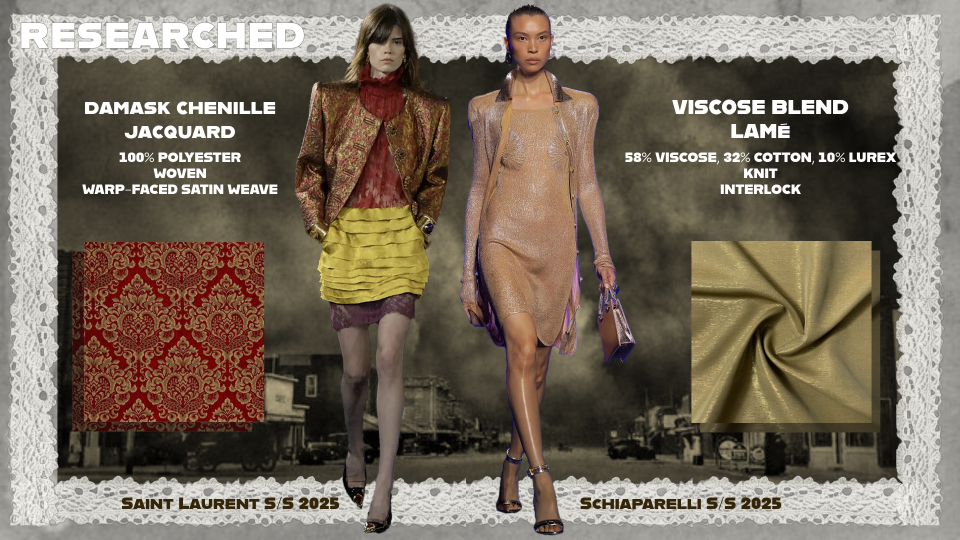
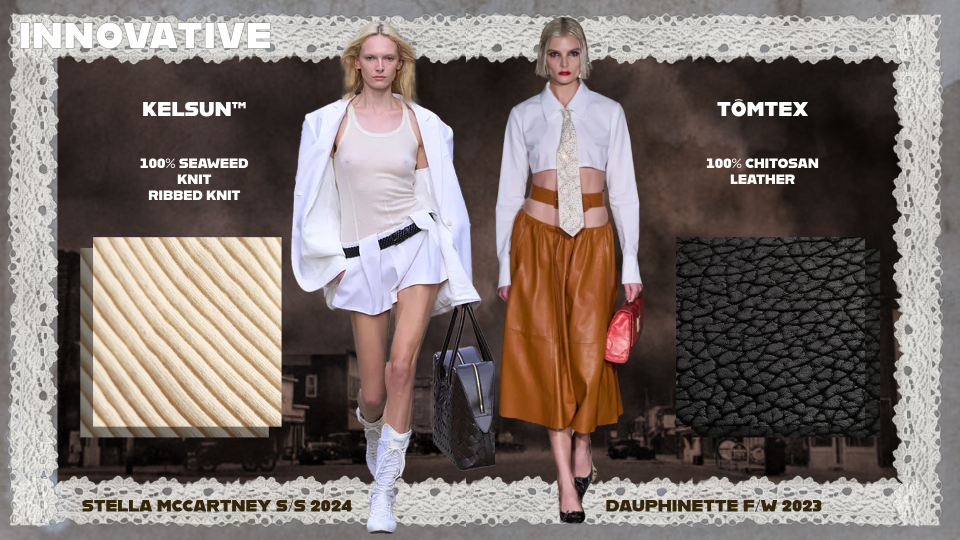
(Tômtex, viscose lamé, damask chenille jacquard)
-
Crafting mood boards, aesthetic storytelling, and atmospheric visuals.
-
Designing all boards using Photoshop and Illustrator
Image manipulation and digital layering.
the process
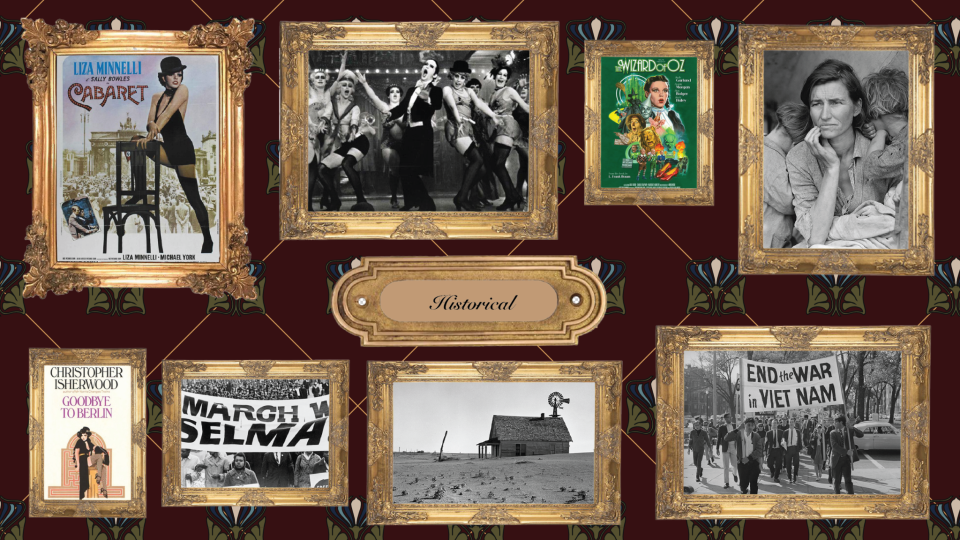
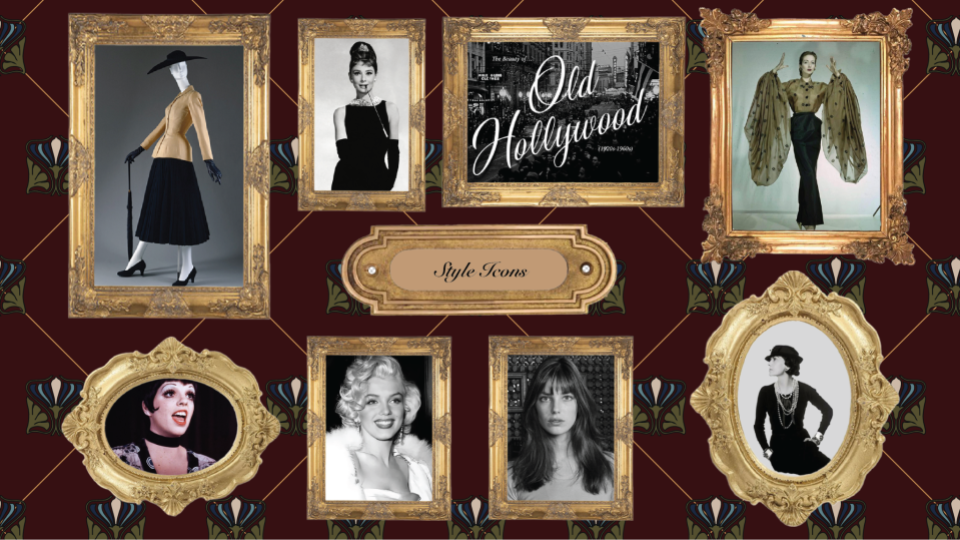
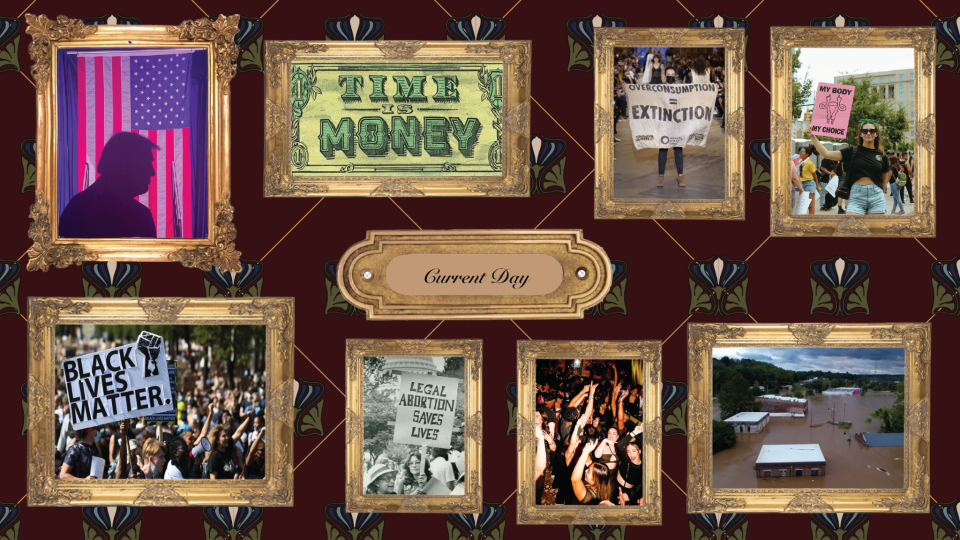
We began with a research map of influences. This included three categories:
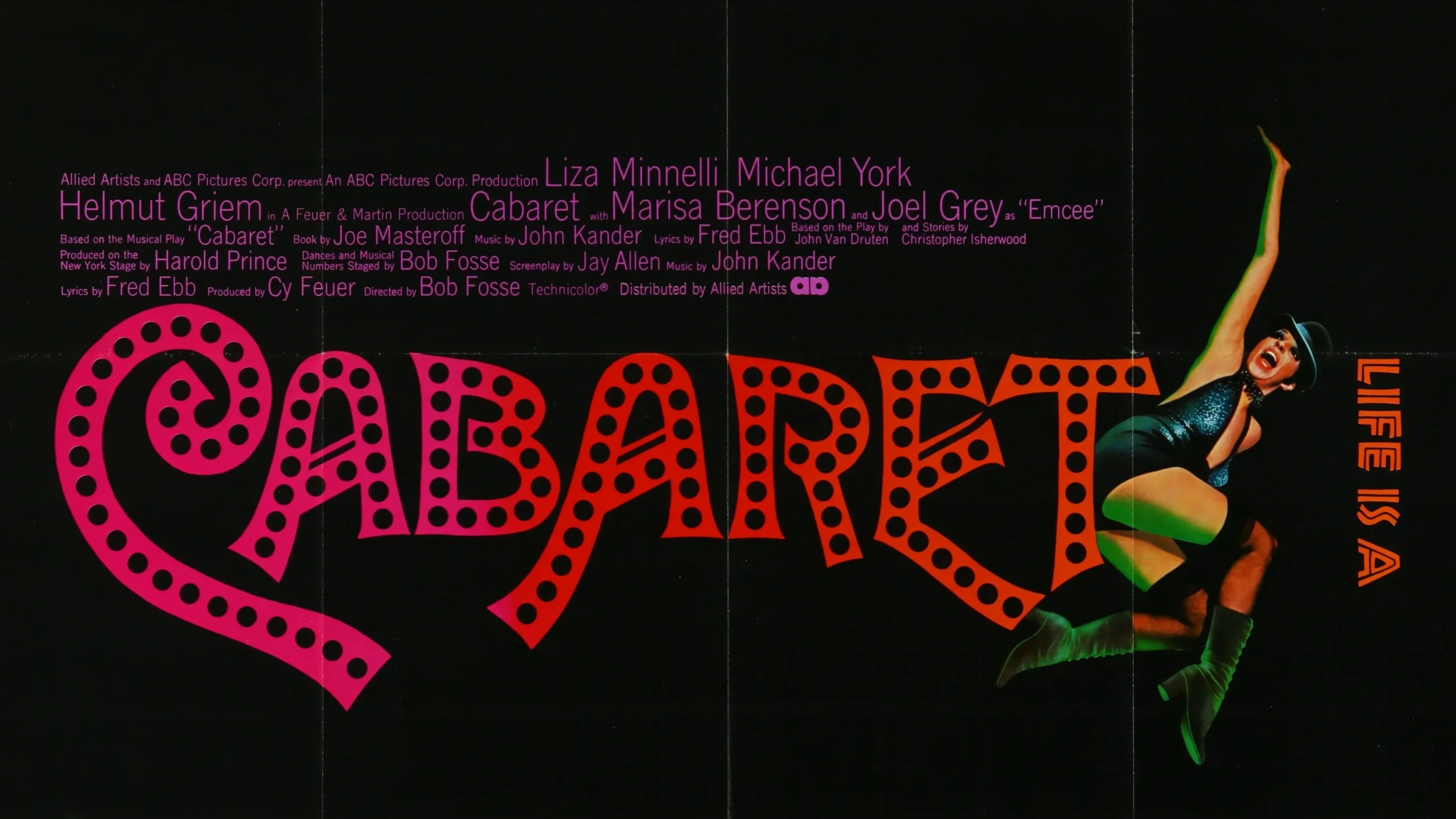
Historical: Cabaret, The Wizard of Oz, the Great Depression, civil rights movements.
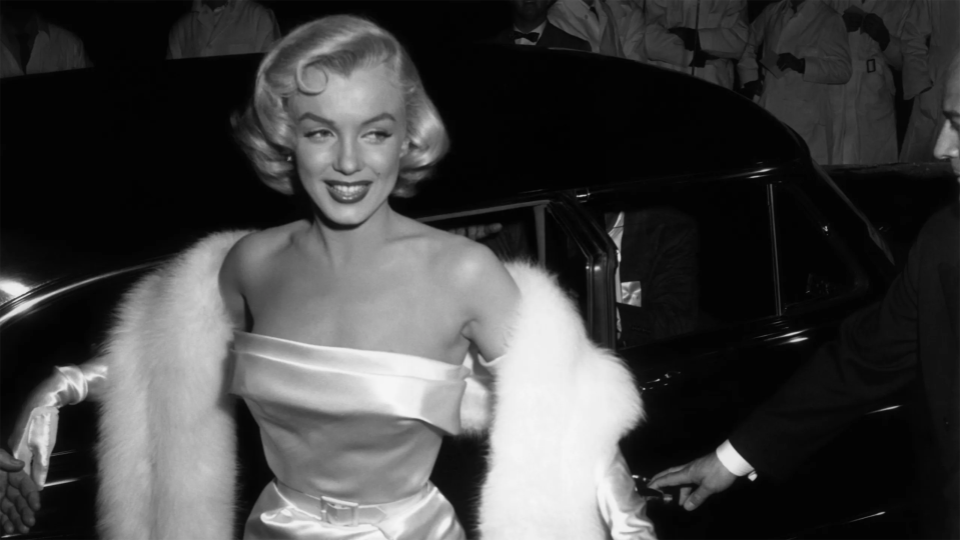
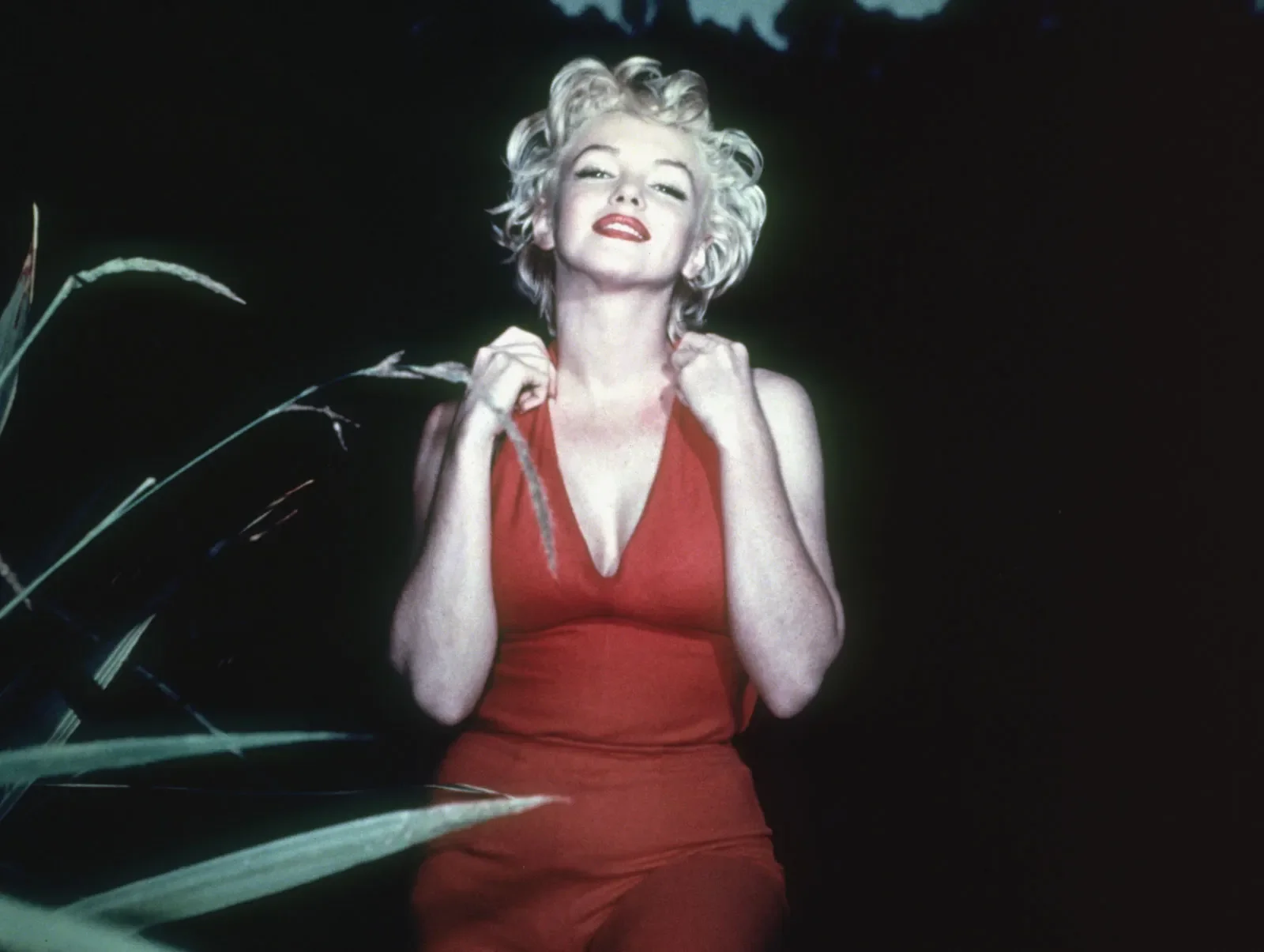
Style Icons: Marilyn Monroe, Audrey Hepburn, Old Hollywood silhouettes.
Current Day: Climate anxiety, political polarization, economic stress, and protest culture.
From these influences, we developed the macro trend Glam Apocalypse, based on the idea that when the world feels unstable, fashion leans theatrical, nostalgic, and indulgent, escaping reality through beauty.
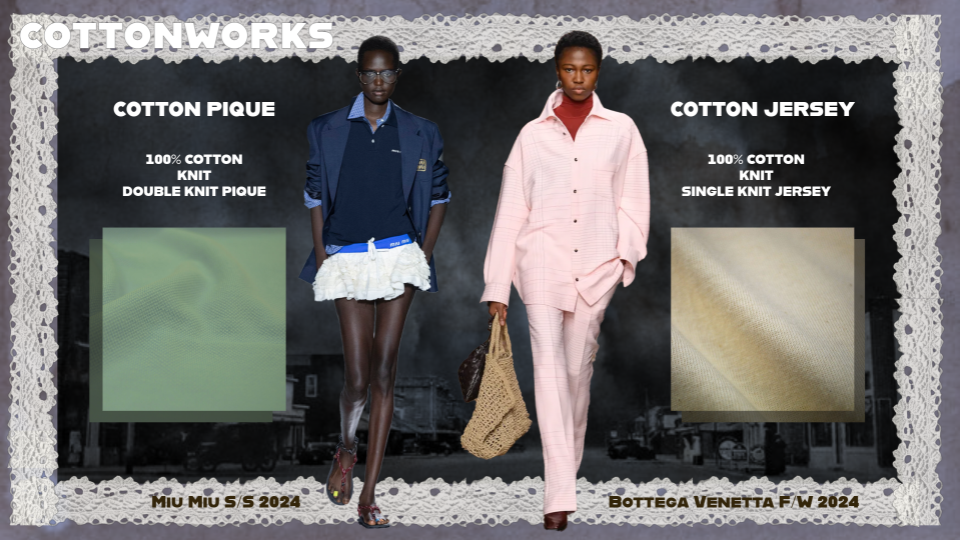
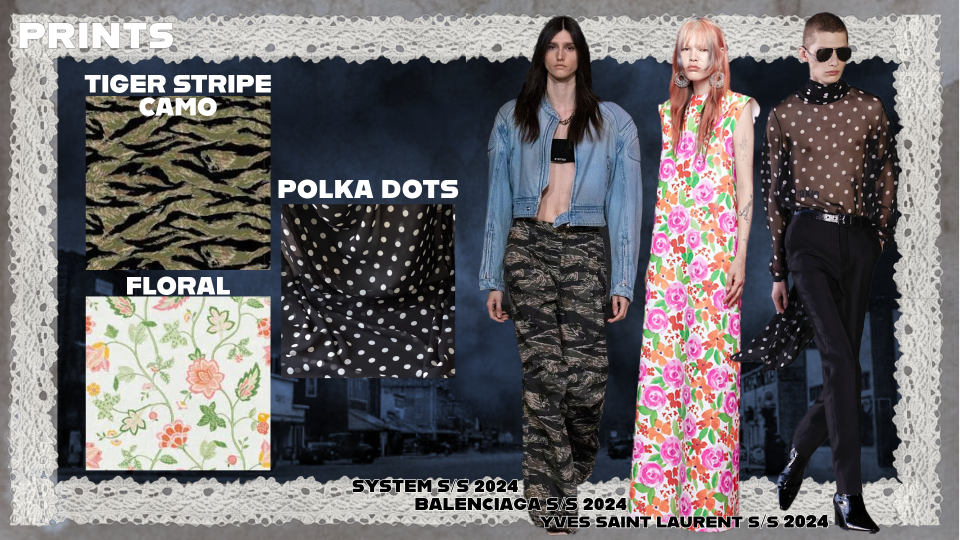
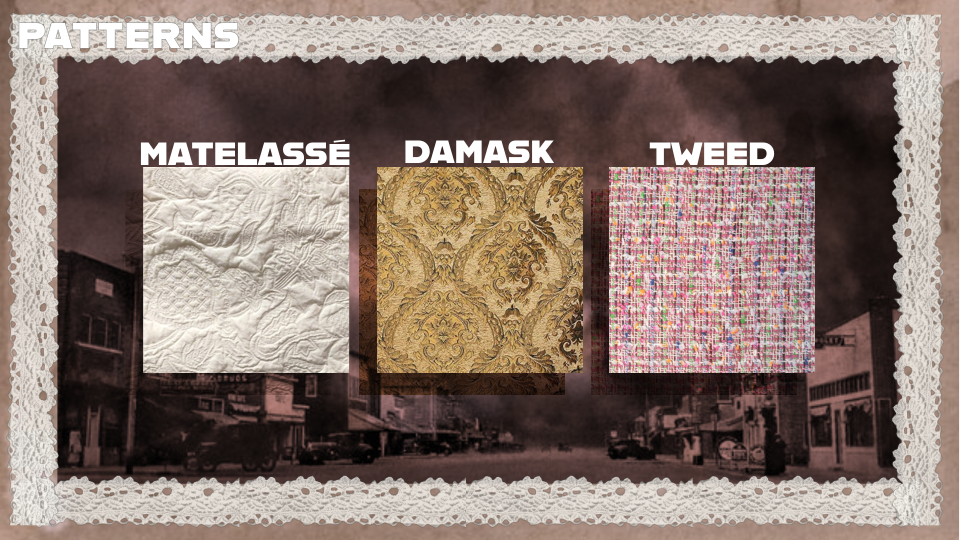
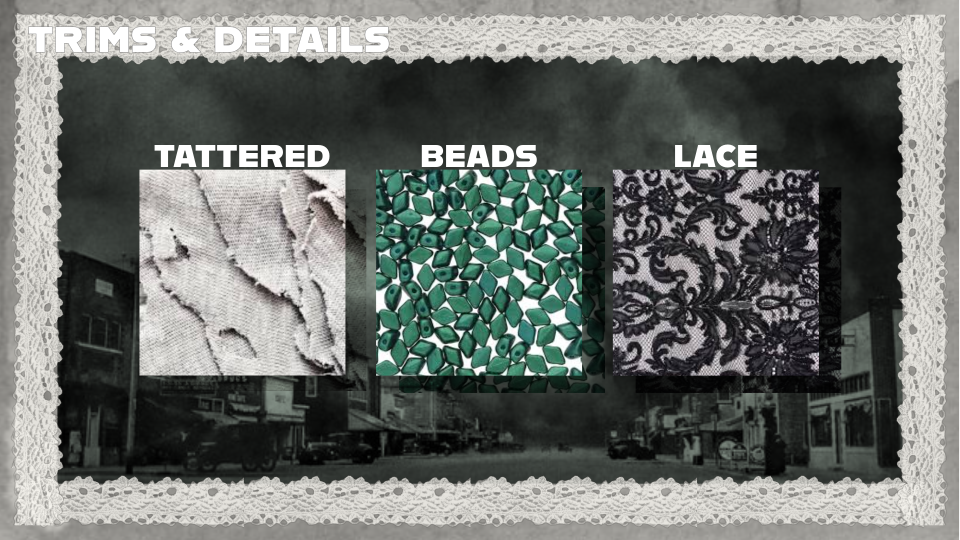
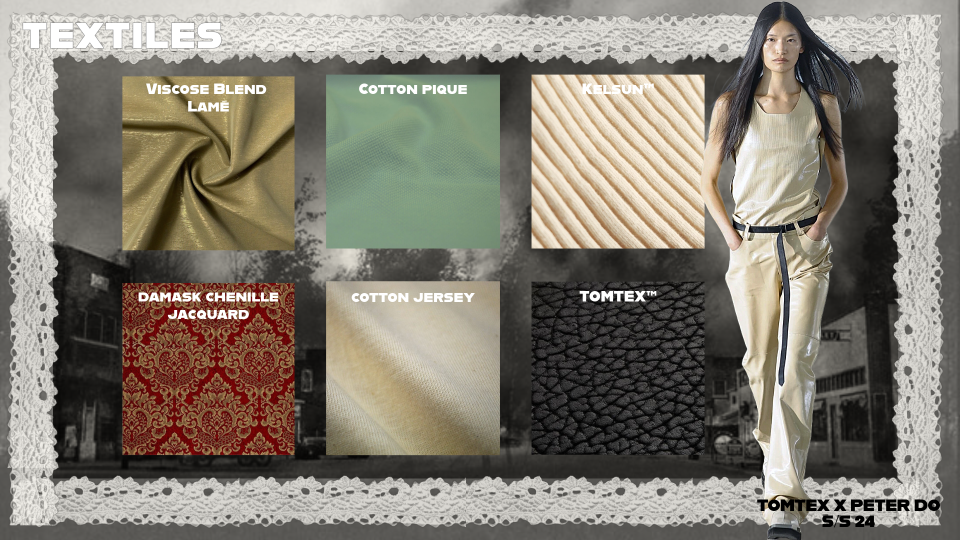
For textiles and materials, we identified fabrics that fit this duality of luxurious yet distressed, glamorous yet utilitarian. Highlights include Viscose Lamé and Damask Chenille Jacquard for opulent shine. Kelsun™ seaweed knit and Tômtex chitosan leather as sustainable future-thinking materials. Tiger camo, polka dots, floral prints, and tattered textures as contrasting design directions.
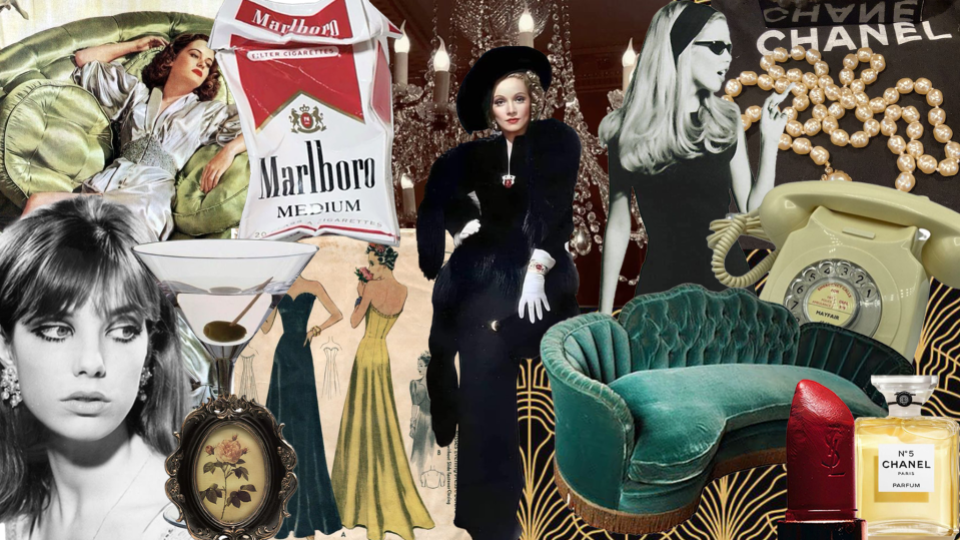
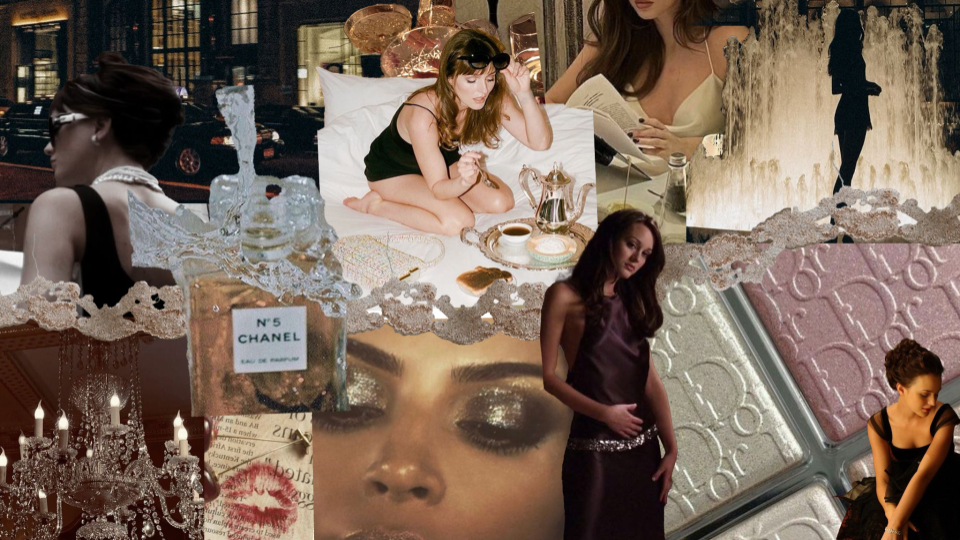
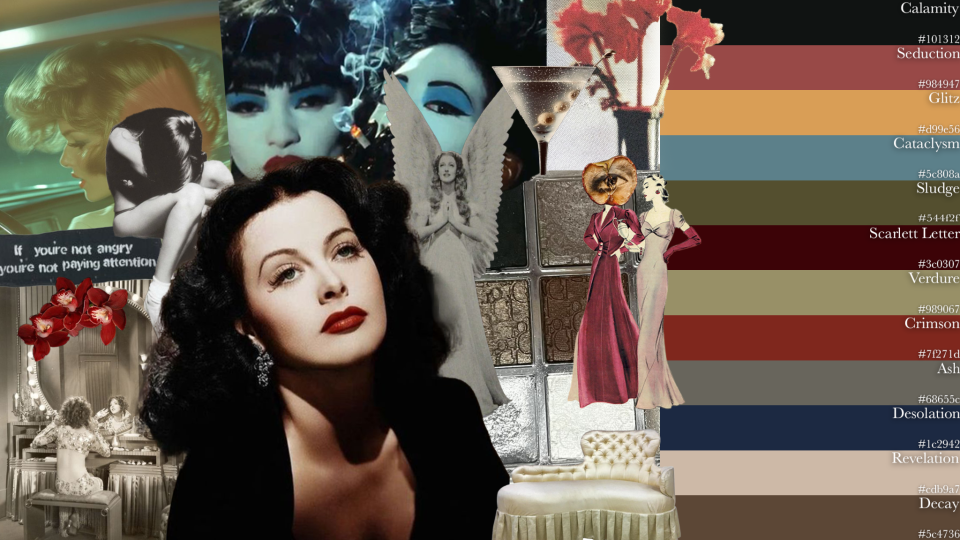
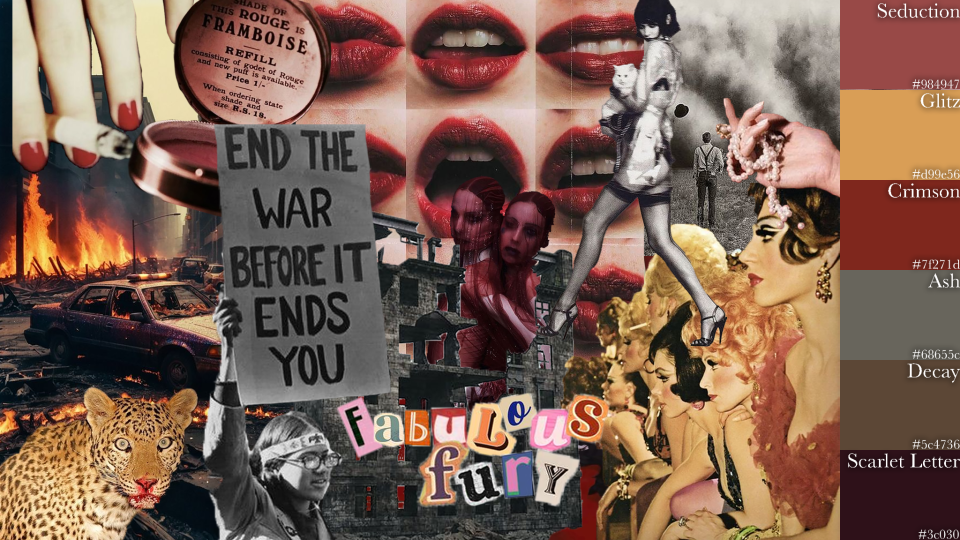
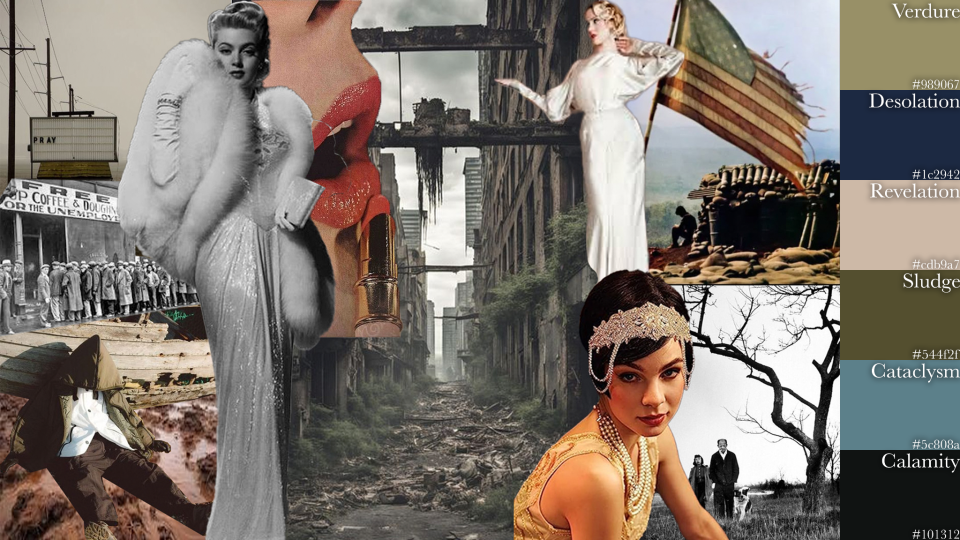
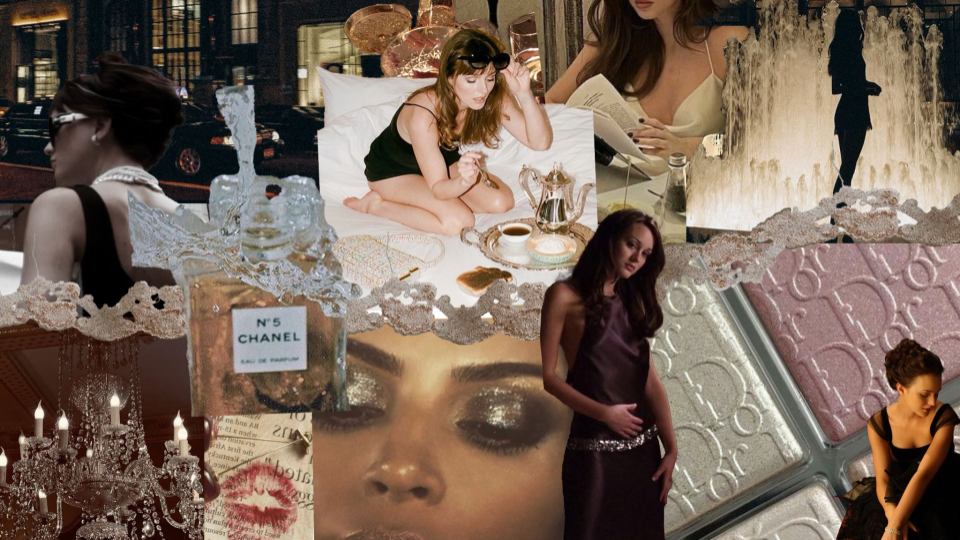
We then created a primary aesthetic collage and a customer persona moodboard.
We created a video showcasing the aesthetic and reinforcing our concept. Click below to view.
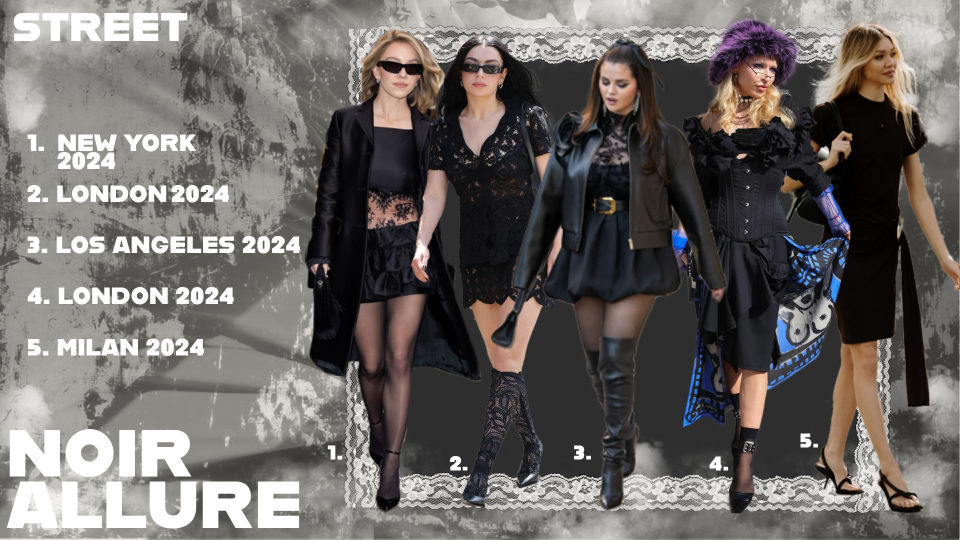
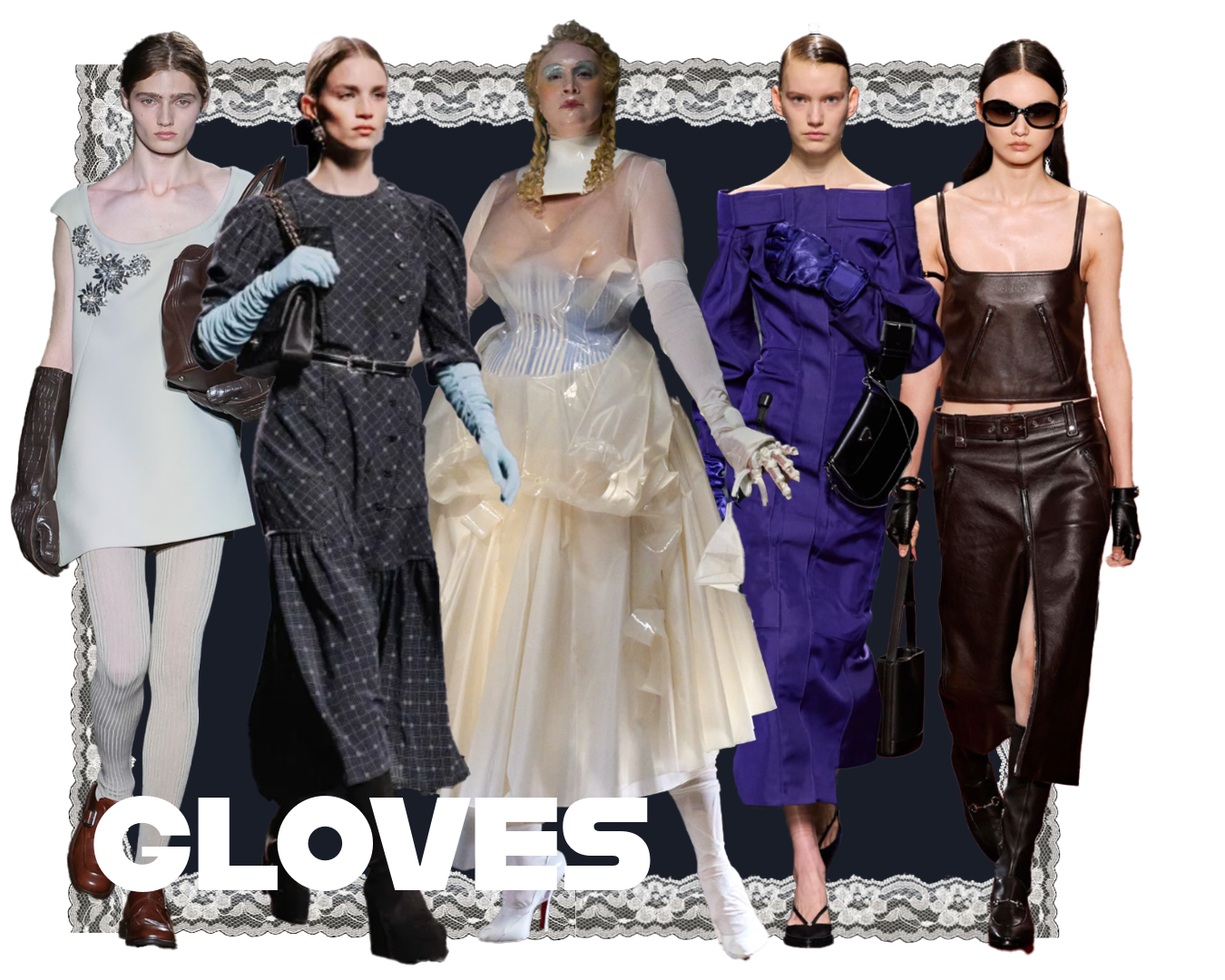
We supported the trend with street style influences and a runway analysis, connecting current signals to the future of 2026.
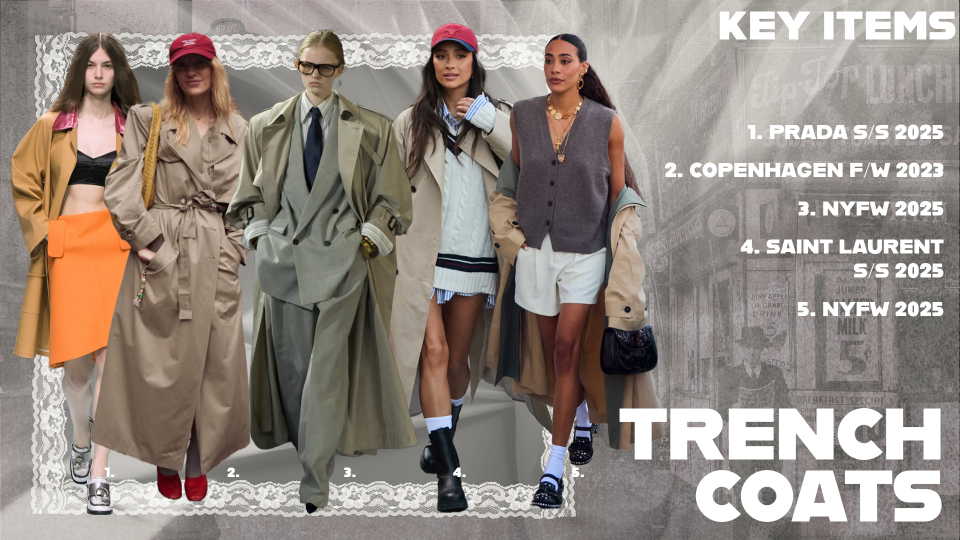
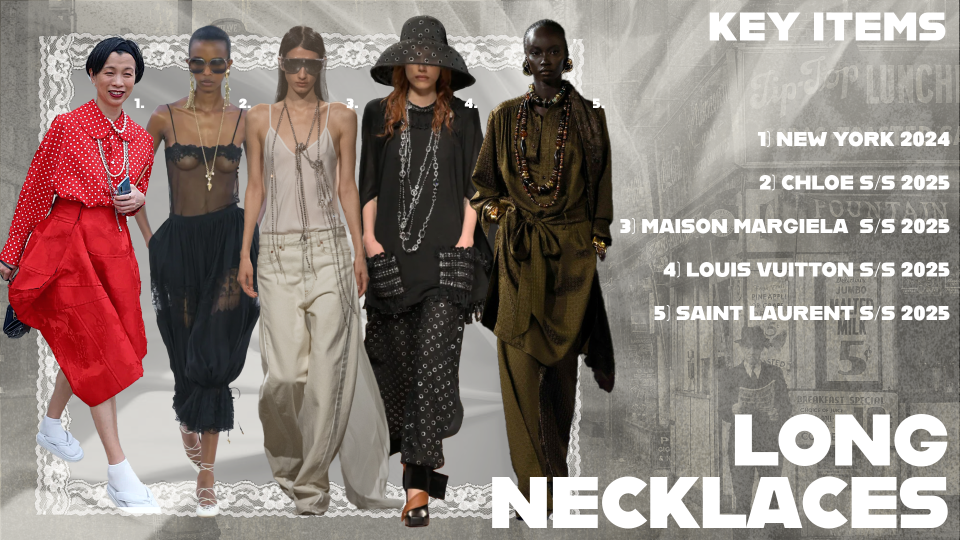
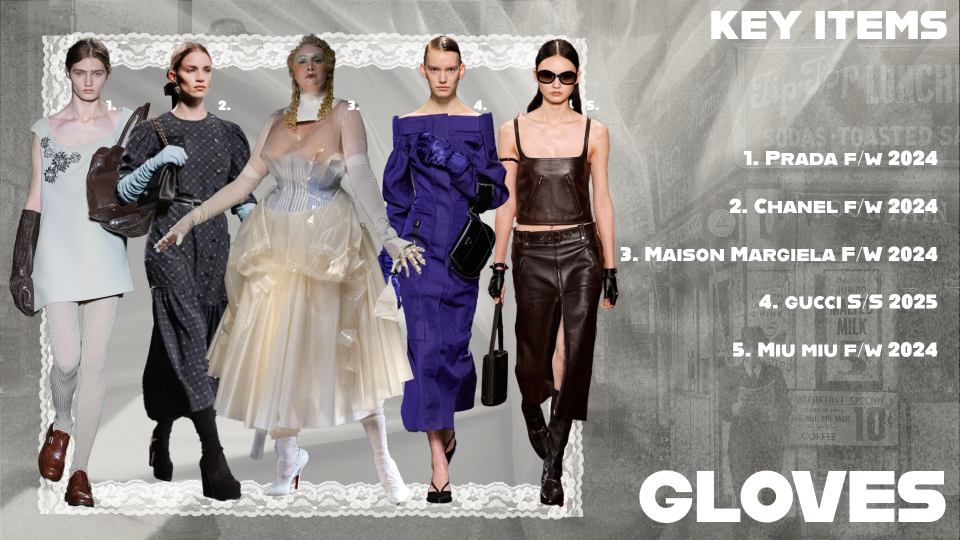
Finally, we completed key items and a concluding statement predicting how glam and apocalypse aesthetics will merge by the 2026 season.

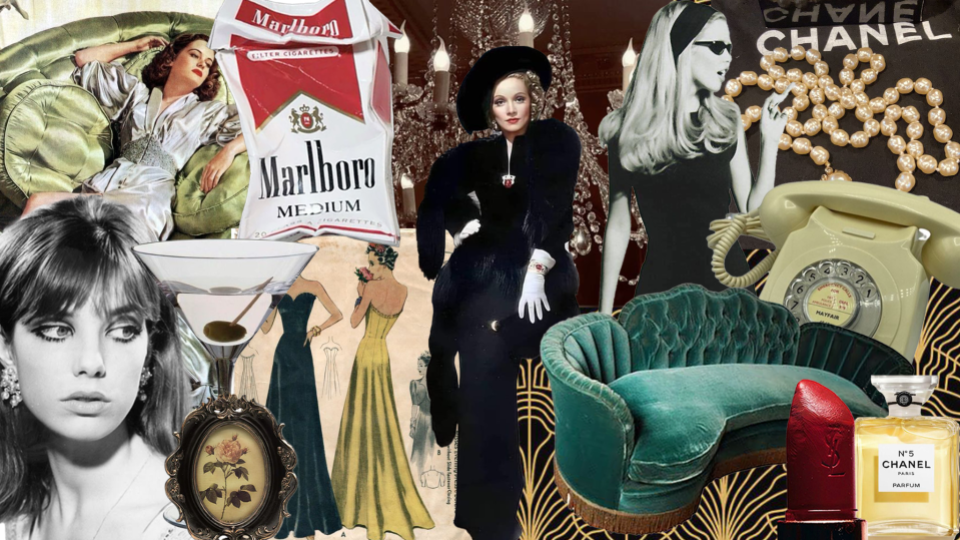
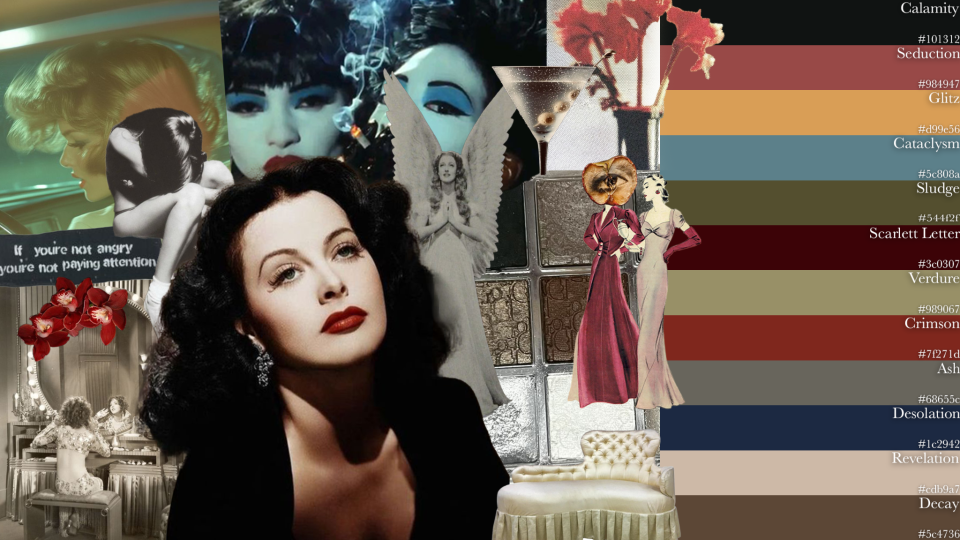
Next, we created color boards, featuring shades like: Seduction, Glitz, Crimson, Cataclysm, and Desolation which illustrate the contrast between beauty and ruin.
final thoughts
This forecasting project strengthened my ability to pull meaning from culture, connect disparate influences, and translate them into a commercially relevant trend. I learned how to balance research with creative storytelling and how to forecast colors, textiles, and silhouettes that fit a future season. Glam Apocalypse helped me explore how fashion responds to global instability and how consumers turn to glamour, nostalgia, and indulgence as emotional armor.
It was also a major step in developing my forecasting voice, blending data-driven observation with aesthetic direction.
The full project
View the full project below